A Local SEO Guide to Generating Location-Based Content
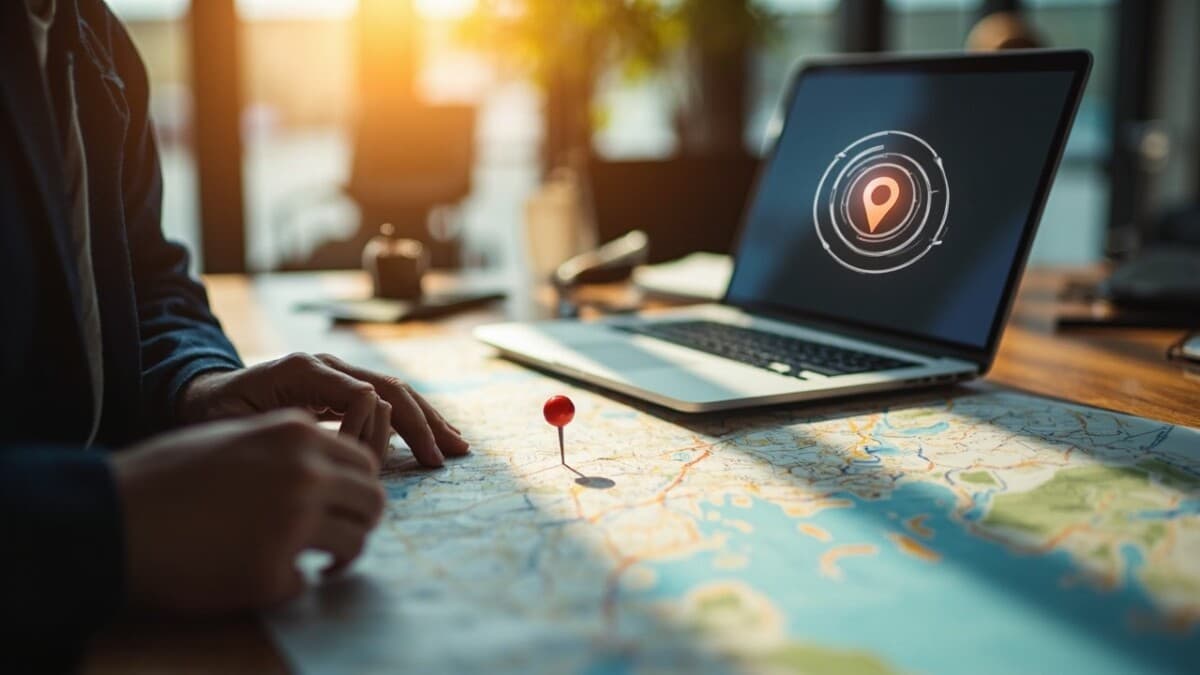
For any business with a physical presence or a defined service area, local search visibility is the lifeblood of customer acquisition. You can have the best product or service in town, but if potential customers can’t find you when they search, you’re invisible. This is where a strategic approach to generating location-based content becomes your most powerful tool. It’s more than just listing your address on a website, it’s about creating a rich, relevant, and authoritative digital footprint that search engines like Google recognize as the definitive answer for local queries. This comprehensive guide will walk you through the frameworks and tactics to build a location-based content strategy that dominates local search results and drives real-world traffic.
Understanding the Core of Local SEO Content
Location-based content is any content created specifically to attract, engage, and convert users within a specific geographic area. Its primary goal is to signal relevance to both search engines and local searchers. For Google, this content provides clear context about where your business operates and who it serves. For users, it answers hyper-local questions and builds trust before they ever walk through your door. The foundation of this strategy rests on two pillars: the Google Business Profile (GBP) and your website. Your GBP acts as your digital storefront in local search packs, while your website provides the depth and substance that establishes true authority. Effective location-based content bridges these two assets, creating a cohesive and dominant local presence.
Audience and Keyword Research for Local Intent
Before writing a single word, you must understand who you are talking to and what they are searching for. Local search intent is often characterized by immediacy and specificity. Users are not browsing abstract ideas, they are looking to solve a problem near them. Start by identifying your core local customer personas. What are their demographics, pain points, and common questions? Next, move to keyword research with a geographic lens. Tools like Google Keyword Planner, SEMrush, or Ahrefs can be filtered by location. Focus on “near me” searches, service + city/neighborhood combinations, and question-based queries like “best [service] in [city]” or “where to buy [product] in [neighborhood].”
An often-overlooked goldmine is mining your Google Business Profile insights and customer interactions. What questions are people asking in your Q&A section? What phrases do they use in reviews? This is direct feedback on local language and intent. Create a master list of location-specific keywords, categorizing them by theme (e.g., service pages, informational guides, community topics) and search intent (transactional, navigational, informational). This list becomes your editorial blueprint.
Strategic Content Types for Local Dominance
With your keyword map in hand, you can now deploy a mix of content types designed to capture different stages of the local customer journey. A diverse portfolio ensures you appear for various search queries and builds comprehensive topical authority for your location.
Service and Location Landing Pages
These are the cornerstone of local SEO. Create a dedicated, high-quality page for each major service you offer in each key location you serve. A generic “Services” page is not enough. For example, a plumber in Austin should have distinct pages for “Emergency Plumbing Austin,” “Water Heater Installation Austin,” and “Bathroom Remodeling Austin.” Each page must be genuinely unique, not just a template with the city name swapped. Include detailed service descriptions, local customer testimonials, area-specific references, and clear calls to action. Ensure your Name, Address, and Phone Number (NAP) are consistent and prominently displayed.
Hyper-Local Blog Content and Guides
This is where you answer the specific questions your local audience is asking. Blog content builds topical authority and captures long-tail, informational searches. Think beyond your direct services to the context around them. A real estate agent could write guides like “A Guide to the School Districts in Springfield” or “First-Time Homebuyer Programs in Jefferson County.” A restaurant could create “The Ultimate Guide to Date Night Restaurants in the Downtown Arts District.” This content demonstrates deep local knowledge and earns backlinks from community sites.
Local News, Events, and Community Involvement
Search engines and users favor businesses that are pillars of the community. Create content about your participation in local events, sponsorships of little league teams, or features on local history related to your business. Did you donate to a local charity? Write about it. Is there a popular annual festival in your town? Create a useful guide for attendees. This type of content is highly shareable within the community, builds brand affinity, and generates natural local citations and links, all strong local SEO signals.
On-Page Optimization and Technical Foundations
Creating great content is only half the battle, it must be structured for both users and search engines. Each piece of location-based content must be meticulously optimized. This includes using your target location keyword naturally in the title tag (H1), URL slug, and within the first paragraph. Use related semantic keywords (LSI) throughout the body content. Structure your content with clear headers (H2, H3) to improve readability. Crucially, implement local Schema markup (like LocalBusiness, Place, or FAQ) on your pages. This structured data helps search engines understand your content’s context and can enhance your listings with rich snippets.
From a technical standpoint, ensure your website is mobile-friendly, as the majority of local searches happen on smartphones. Page speed is a critical ranking factor, optimize images and leverage caching. Create a clear, XML sitemap and submit it to Google Search Console. Internally link your location pages and blog content to create a strong topical silo, signaling to Google the depth of your local relevance. Avoid duplicate content pitfalls by ensuring each location page offers substantial unique value.
Promotion and Amplification Beyond Your Website
Publishing content is not the finish line. To maximize its local SEO impact, you must promote it strategically. First, share your new location-based content on your Google Business Profile using the Posts feature. This puts it directly in front of people searching for your profile. Share it on relevant local social media groups and community forums (where allowed). Reach out to local influencers, bloggers, or news sites that might find your hyper-local guide useful and share it with their audience.
Consider these key amplification channels:
- Local Directories and Citations: Ensure your business NAP is consistent on platforms like Yelp, Yellow Pages, and local Chamber of Commerce sites. Mention your location pages where possible.
- Email Marketing: Share new local guides or event coverage with your subscriber list segmented by location.
- Local Link Building: Proactively seek backlinks from local government, tourism, news, and community organization websites by offering your expert content as a resource.
Finally, encourage engagement. Ask local customers to leave reviews on your GBP mentioning specific services or locations you’ve written about. Respond to all reviews and comments on your content. This user-generated content and interaction are powerful trust signals.
Measuring Success and Iterating Your Strategy
To ensure your efforts are paying off, you must track the right metrics. Vanity metrics like overall website traffic are less important than local-specific performance indicators. Focus on tracking your rankings for target location-keyword phrases in the local pack and organic results. Use Google Search Console to monitor impressions and clicks for your location pages. Analyze the performance of your Google Business Profile, tracking views, actions (like website clicks or direction requests), and phone calls generated. Set up conversion tracking in Google Analytics to see if local content leads to contact form submissions, phone calls, or other valuable actions.
Regularly audit your content. Update old service pages with new information, refresh annual event guides, and ensure all location details are current. The local landscape changes, and your content should reflect that. By continuously measuring, analyzing, and refining your approach based on data, you transform your location-based content from a static publication into a dynamic growth engine for your local SEO campaigns. It becomes a system that consistently attracts, engages, and converts the community right outside your door.
Mastering the generation of location-based content is what separates businesses that merely appear on a map from those that become local landmarks. It requires a shift from thinking nationally to thinking neighborhood-by-neighborhood, from offering services to solving local problems. By implementing this strategic framework, you build more than just SEO equity, you build community relevance that drives sustainable, offline growth.

Written by